A safe and comfortable home is one of the most important things you can provide for your baby. As babies grow, they become more curious and active. Crawling, pulling themselves up, walking, and exploring different rooms are all natural parts of development, but these activities can also expose them to everyday household risks.
Creating a baby-safe home does not mean changing everything in your house. Simple precautions, regular checks, and a little planning can make a big difference. From securing furniture and covering sharp corners to keeping small objects and household products out of reach, baby-proofing helps create a safer environment for your little one.
If you are a new parent or preparing your home for a growing baby, these practical Tips for Creating a Baby Safe Home can help you identify common risks and make your surroundings more secure.
About Cuddle Cloud India
Cuddle Cloud India is a baby-care brand offering practical and comfortable products for everyday baby needs. Our range includes Sleeping Bags, Net Beds, Baby Bed Sets, Jablas, Nappies, Caps, and Frocks, designed to support parents with everyday baby-care essentials.
We understand that parents want products that are comfortable, useful, and suitable for their little ones. That is why Cuddle Cloud India focuses on providing a range of baby essentials that can fit easily into daily routines, from sleeping and resting to dressing and everyday care.
Whether you are preparing your home for a growing baby or looking for essential baby products, Cuddle Cloud India aims to make everyday parenting routines a little easier and more organized.
1. Secure Furniture
Heavy furniture such as bookshelves, dressers, cabinets, and televisions can become dangerous if a baby tries to pull themselves up or climb. Furniture that is not properly secured may tip over, especially when a child puts their weight against it.
How to Keep Your Baby Safe:
Anchor bookshelves, dressers, cabinets, and TVs securely to the wall using suitable brackets or straps.
Avoid placing toys, remote controls, electronics, or other attractive objects on top of furniture where your baby may try to reach them.
Keep furniture away from windows to reduce climbing risks.
Check that drawers and cabinet doors are properly closed.
Avoid placing heavy objects on high shelves.
Regularly inspect furniture anchors and fittings to make sure they remain secure.
As your baby becomes more mobile, look at your furniture from their point of view. Anything that can be climbed, pulled, opened, or reached should be checked carefully.
2. Cover Sharp Edges and Corners
Tables, countertops, beds, and other furniture may have sharp corners that can cause bumps or injuries when your baby starts crawling and walking. Babies are still developing their balance and may frequently fall while learning to move around.
Protection Tips:
Install corner and edge guards on tables, countertops, and furniture with sharp edges.
Choose soft foam or rubber covers designed for furniture corners.
Check the guards regularly to ensure they have not become loose or damaged.
Move particularly sharp or unstable furniture away from areas where your baby spends time.
Keep low tables and other furniture clear of objects that could fall if bumped.
Softening sharp corners is a simple step, but it can make play areas more comfortable and reduce some common household risks.
3. Install Safety Gates
Stairs and certain rooms can present additional risks for babies who are learning to crawl or walk. A properly installed safety gate can help control access to areas where supervision may be difficult.
Safety Gate Guidelines :
Install suitable safety gates at the top and bottom of stairs where appropriate.
Use gates to limit access to kitchens, bathrooms, storage areas, or other spaces containing potential hazards.
Make sure the gate is securely fitted according to the manufacturer’s instructions.
Check the gate regularly for loose fittings or damage.
Choose a gate that is appropriate for the location and suitable for your child’s age and stage of development.
Safety gates are especially useful when you need to create a clearly defined area where your baby can move and play while certain parts of the home remain restricted.
4. Use Outlet Covers
Electrical outlets can attract curious babies who are beginning to explore their surroundings. Since babies may touch, pull, or investigate anything they find interesting, unused outlets should be protected.
Safety Measures :
Cover unused electrical outlets with suitable child-safety covers.
Keep electrical cords and wires away from areas your baby can reach.
Place power strips where children cannot access them.
Avoid leaving loose chargers, cables, or extension cords within reach.
Regularly check electrical cords for visible damage.
Keep electrical appliances away from areas where your baby plays.
It is also helpful to develop the habit of checking your baby’s play area before allowing them to explore. A loose cable or accessible electronic device can quickly become a new source of interest.
5. Store Hazardous Items Safely
Many ordinary household products can be unsafe for babies if they are accidentally accessed. Cleaning products, medicines, sharp objects, batteries, and small household items should always be stored carefully.
Best Practices :
Store cleaning supplies, medicines, chemicals, and other potentially harmful products out of reach.
Use child-resistant or child-proof locks where appropriate.
Keep sharp objects such as scissors, knives, and tools away from accessible drawers.
Store small objects where your baby cannot reach them.
Keep medicines in their original containers and store them securely.
Avoid leaving personal-care products, cosmetics, or household chemicals on low surfaces.
Check handbags, backpacks, and visitors’ belongings for small or unsafe objects before leaving them within reach.
A locked cabinet or a high storage area can help keep potentially dangerous household items away from curious little hands.
6. Keep Small Objects Off the Floor
Babies naturally explore objects by touching and putting things into their mouths. Small household items can therefore become a concern if they are left on the floor or within easy reach.
Make it a regular habit to check your baby’s play area for small objects such as coins, buttons, batteries, small toy parts, and other loose items. Toys should also be checked regularly for broken or detached pieces.
When choosing toys and baby accessories, always consider whether they are suitable for your baby’s age and stage of development. Following the manufacturer’s age recommendations can help you choose products more appropriately.
7. Keep Suffocation Risks Away
Some everyday items should never be left where a baby can easily reach them. Plastic bags, balloons, loose packaging, cords, and other items can present serious risks.
Simple Precautions :
Keep plastic bags and packaging materials away from your baby’s play area.
Do not leave balloons or pieces of broken balloons within reach.
Keep loose cords and strings away from sleeping and playing areas.
Remove unnecessary packaging materials from areas your baby can access.
Keep the baby’s sleeping area clear of unnecessary items and follow safe-sleep guidance appropriate for your child’s age.
Regularly reviewing the baby’s surroundings is important because an item that was previously out of reach may become accessible as your baby grows.
8. Create a Safe Sleeping and Resting Area
A baby’s sleeping environment should be arranged carefully. Keep the sleeping space organized and free from unnecessary items. Parents should follow appropriate safe-sleep recommendations and the instructions provided with the baby’s sleeping products.
Comfort is also important during rest and sleep. Products such as a suitable Baby Bed Set or Sleeping Bag from Cuddle Cloud India can be considered as part of a baby’s everyday essentials, depending on the baby’s age and the product’s intended use.
Always check the product instructions and make sure any baby product is used according to its intended purpose.
9. Keep Baby Essentials Clean and Organized
Baby products are used frequently, so keeping them clean and organized can make everyday routines easier. Clothes, nappies, caps, and other essentials should be stored in an accessible but safe location.
Cuddle Cloud India’s range includes everyday baby essentials such as Nappies, Cap, Jabla, and Frock, which can be kept organized in designated storage areas. Keeping baby items together can also help reduce clutter around the baby’s sleeping and playing spaces.
An organized home makes it easier for parents to notice new hazards and maintain a clean environment as the baby becomes more active.
10. Regularly Check Your Home as Your Baby Grows
Baby-proofing is not a one-time task. Your baby’s abilities change quickly. An area that was safe when your baby was crawling may require additional precautions once they start standing or walking.
For example, once your baby learns to pull themselves up, previously unreachable surfaces may become accessible. When they start walking, stairs, doors, furniture, and other areas may require additional attention.
Make a habit of walking through your home regularly and looking for anything your baby could:
Reach
Pull
Open
Climb
Touch
Put into their mouth
Trip over
This simple check can help you identify new hazards before they become a problem.
Relevant Cuddle Cloud India Baby Products
While baby-proofing mainly focuses on the home environment, having suitable everyday baby essentials can also help parents keep routines organized and comfortable.
Cuddle Cloud India offers a range of baby products designed for everyday needs, including:
A baby sleeping bag can be an everyday sleep-related essential. Parents should always choose a product appropriate for the baby’s age and follow the product’s usage instructions.
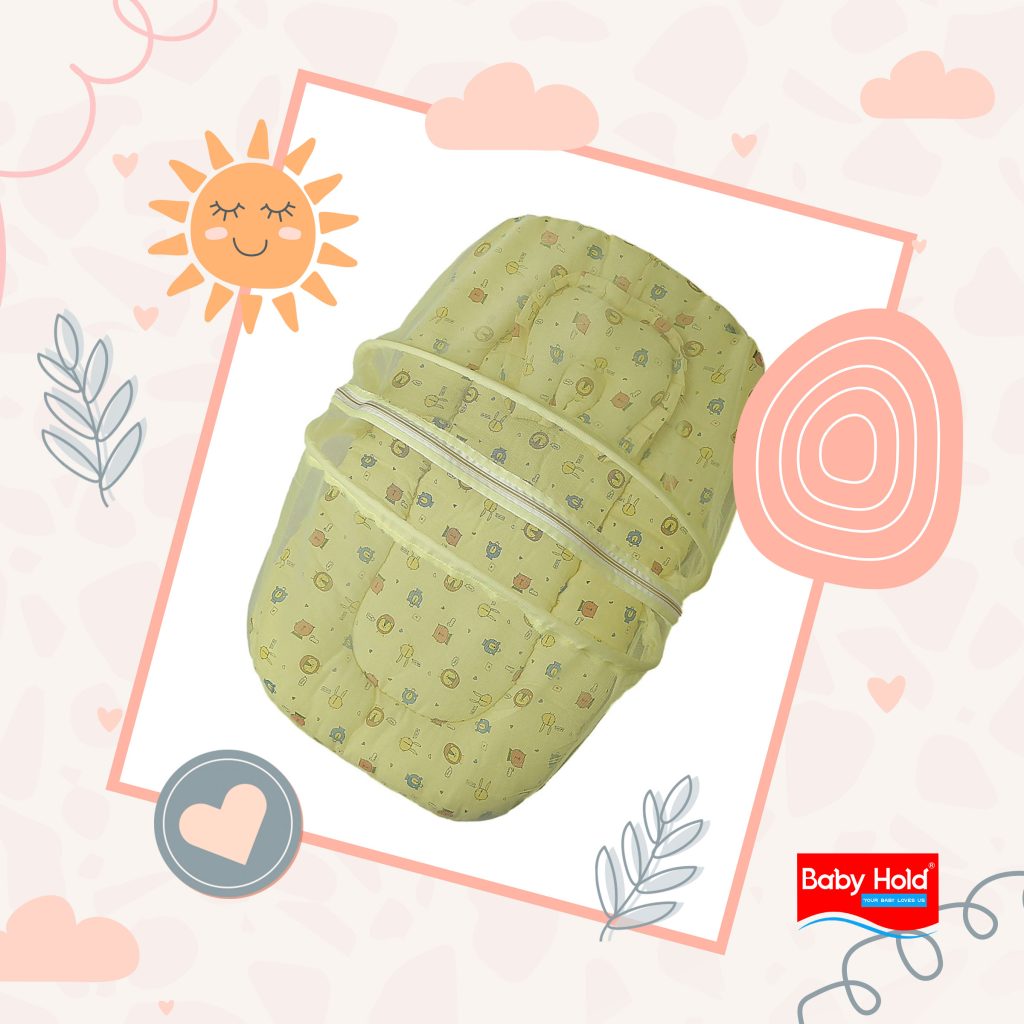
A Net Bed can be useful as part of a baby’s resting setup, depending on the product design and intended use. Parents should always follow the manufacturer’s instructions and supervise their baby appropriately.
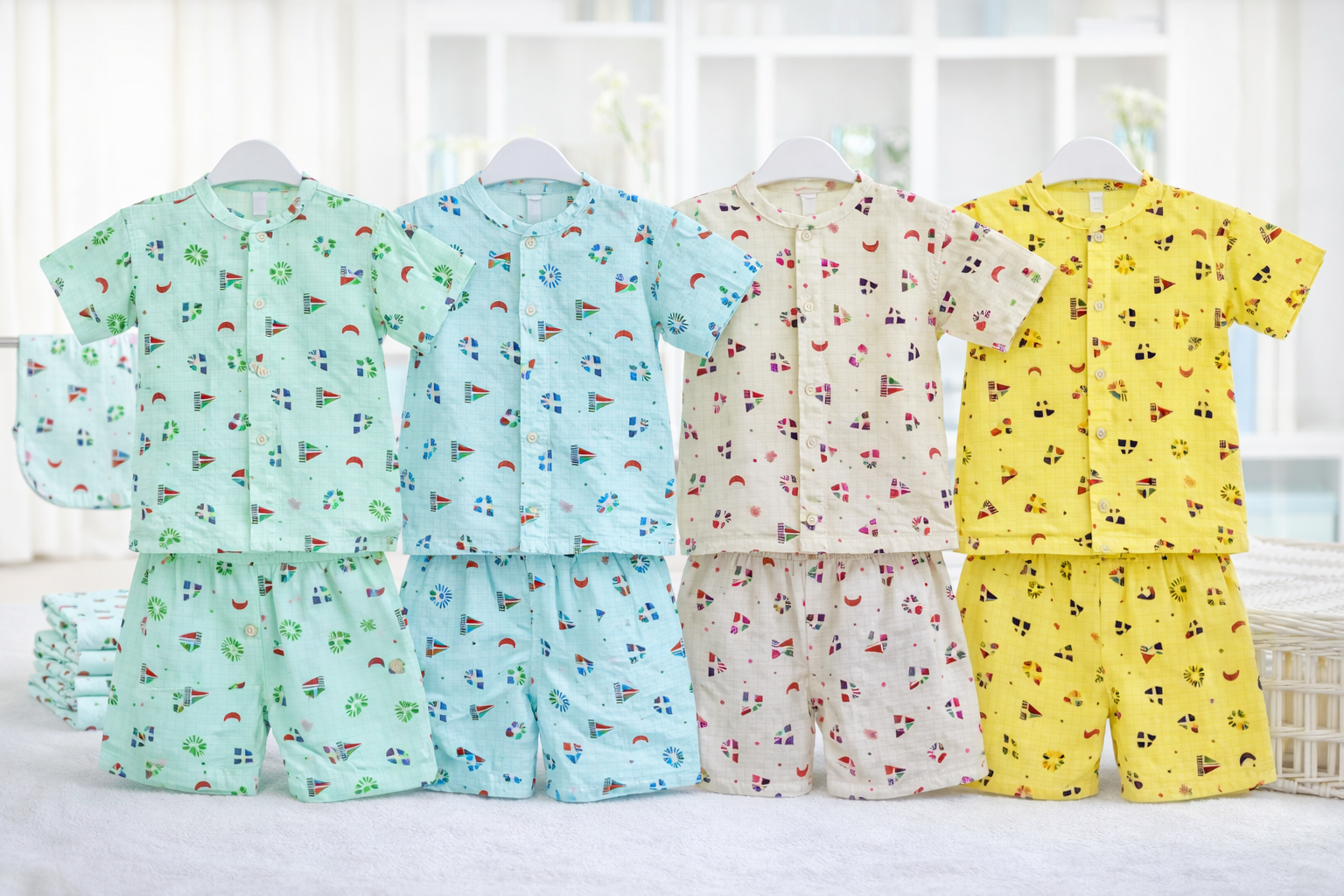
A Jabla is a traditional baby clothing essential that can be useful for everyday dressing. Keeping baby clothing clean, comfortable, and properly organized makes daily routines easier.
Nappies are an essential part of everyday baby care. Keeping a sufficient supply organized in a clean and easily accessible place can make changing routines more convenient.
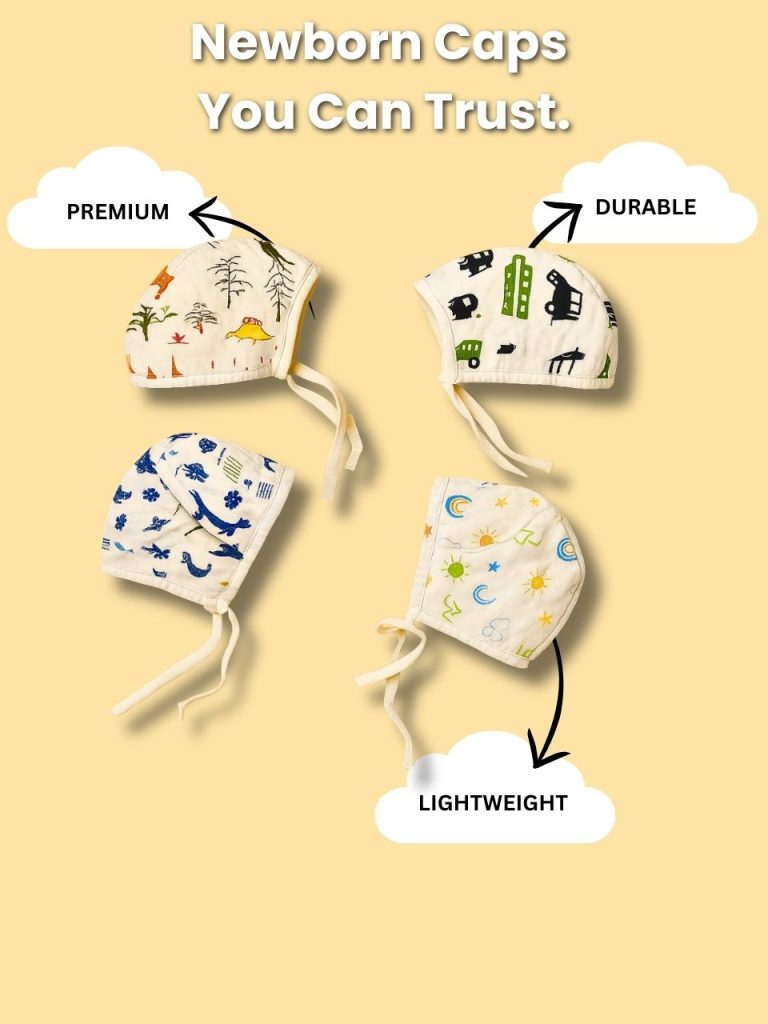
Cap
A baby Cap can be included among everyday clothing essentials. Choose and use baby clothing according to the baby’s needs, weather conditions, and product instructions.
Helpful Tips for Maintaining a Baby-Safe Home
Creating a safe home is an ongoing process. Along with the main baby-proofing steps, these simple habits can help you maintain a safer environment as your baby grows.
Get down to your baby’s level: Crawl or sit on the floor and look around. This can help you notice hazards that may not be obvious from an adult’s height.
Keep floors clear: Remove small objects, loose cords, packaging, and other items from areas where your baby plays.
Check furniture regularly: Make sure shelves, cabinets, drawers, and other furniture remain stable and secure.
Close doors and drawers: Keep restricted areas closed when they are not being used.
Use storage wisely: Keep medicines, cleaning products, sharp objects, and other potentially hazardous items in secure locations.
Review your home regularly: Recheck your baby-proofing measures whenever your child reaches a new stage of development.
Keep baby products organized: Store frequently used essentials such as Nappies, clothing, and bedding neatly to reduce unnecessary clutter.
Follow product instructions: Always use baby products according to their manufacturer’s instructions and intended purpose.
Do not rely only on baby-proofing: Safety measures reduce risks, but they do not replace appropriate adult supervision.
Think ahead: If your baby has recently started crawling, standing, or walking, look for new areas they can now access.
FAQs About 5 Must-Have Baby Essentials for New Parents
Q1. What are the first steps for creating a baby-safe home? Ans : Start by securing heavy furniture, covering sharp corners, protecting unused electrical outlets, restricting access to stairs and hazardous rooms, and storing medicines, cleaning products, and small objects safely.
Q2. When should I start baby-proofing my home? Ans : It is helpful to start before your baby becomes highly mobile. Preparing your home early gives you time to identify and address potential hazards before your baby starts crawling, standing, or walking.
Q3. How often should I check my home for baby safety? Ans : You should review your home regularly, especially when your baby reaches a new developmental stage. As your child becomes more mobile, they may be able to reach or access areas that were previously out of reach.
Q4. Which household items should be kept away from babies? Ans : Medicines, cleaning products, sharp objects, batteries, plastic bags, small objects, electrical cords, and other potentially hazardous items should be stored securely and kept away from your baby’s reach.
Q5. Can baby products help make everyday routines easier? Ans : Yes. Suitable baby essentials such as Sleeping Bags, Baby Bed Sets, Nappies, Jablas, Caps, Frocks, and Net Beds can support everyday baby-care routines when selected and used according to their intended purpose and instructions.
Contact Us
If you are looking for practical baby essentials for everyday care, explore the range available from Cuddle Cloud India.
Address: Gala No. 13A, First Floor, Rajprabha Industrial Enclave No. 4, Bhoidapada, Sativali Road, Vasai (East), Palghar 401208, Maharashtra, India
You can also explore more baby-care information and products through the Cuddle Cloud India website.
Conclusion
Creating a baby-safe home is about identifying potential risks and making simple changes as your child grows. Securing furniture, protecting sharp edges, installing safety gates, covering unused outlets, storing hazardous items safely, and keeping small objects away can help create a safer environment for your little one.
Remember that baby-proofing is an ongoing process. As your baby learns to crawl, stand, walk, and explore, regularly reassess your surroundings and update your safety measures accordingly.
Along with a carefully prepared home, choosing suitable everyday baby essentials can help make daily routines more organized and comfortable. Cuddle Cloud India offers products such as Sleeping Bags, Net Beds, Baby Bed Sets, Jablas, Nappies, Caps, and Frocks for different everyday baby-care needs.
Tips for Creating a Baby Safe Home Tips for Creating a Baby Safe Home Tips for Creating a Baby Safe Home Tips for Creating a Baby Safe Home Tips for Creating a Baby Safe Home Tips for Creating a Baby Safe Home Tips for Creating a Baby Safe Home Tips for Creating a Baby Safe Home Tips for Creating a Baby Safe Home Tips for Creating a Baby Safe Home Tips for Creating a Baby Safe Home Tips for Creating a Baby Safe Home Tips for Creating a Baby Safe Home Tips for Creating a Baby Safe Home Tips for Creating a Baby Safe Home Tips for Creating a Baby Safe Home Tips for Creating a Baby Safe Home Tips for Creating a Baby Safe Home Tips for Creating a Baby Safe Home Tips for Creating a Baby Safe Home Tips for Creating a Baby Safe Home Tips for Creating a Baby Safe Home Tips for Creating a Baby Safe Home Tips for Creating a Baby Safe Home Tips for Creating a Baby Safe Home Tips for Creating a Baby Safe Home Tips for Creating a Baby Safe Home Tips for Creating a Baby Safe Home Tips for Creating a Baby Safe Home Tips for Creating a Baby Safe Home